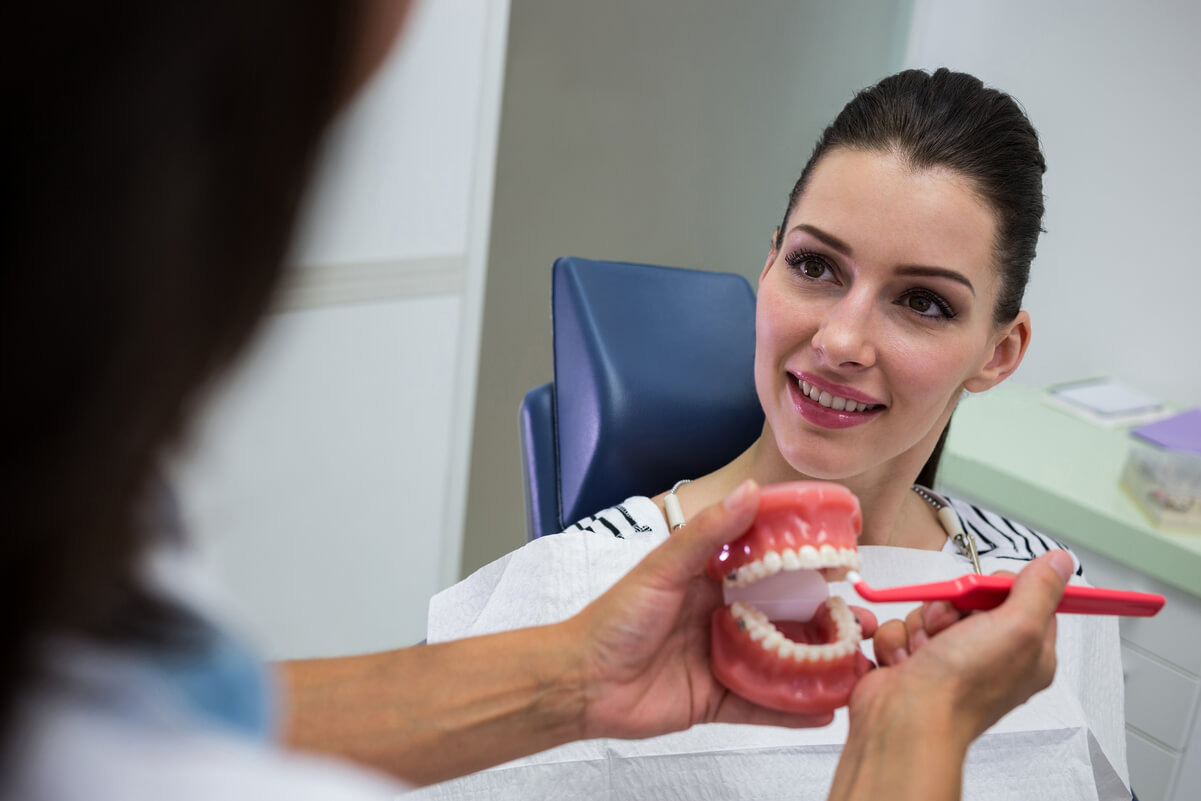
Adjusting to a new smile is an exciting journey, but many patients ask, “How long does it take for your mouth to heal from dentures once the process begins?” For most individuals, the initial healing phase after tooth extractions takes about four to six weeks. However, the full adjustment period—where your gums and jawbone completely settle, and you feel fully comfortable speaking and eating—can take several months. Understanding what to expect during this timeline will help you navigate your recovery with confidence.
The Initial Days of Recovery
The first 24 to 48 hours are the most critical part of the healing process. If you received immediate dentures near you, you will likely be instructed to wear them continuously for the first day to act as a bandage for your gums. During this time, it is common to experience some swelling and minor discomfort.
Visiting a dentist near you for a follow-up appointment within the first few days is standard practice to ensure the fit is correct and your gums are recovering well.
By the end of the first week, the most significant swelling usually begins to fade. You may notice an increase in saliva as your mouth recognizes the new appliance as a foreign object. This is a natural reaction. Exploring options for dentures often involves learning about these early stages, as your dental team will provide specific instructions on soft food diets and saltwater rinses to keep the area clean and promote faster tissue repair.
A Detailed Timeline of the Healing Process
Every person heals at a different rate, but most patients follow a similar path toward total comfort. Below is a general guide to what you might experience over the first few months.
| Time Period | What to Expect | Recommended Action |
| Days 1–3 | Swelling, soreness, and increased saliva. | Stick to liquids and very soft foods; take prescribed meds. |
| Weeks 1–2 | Sore spots may develop as gums shrink. | Visit your clinic for minor adjustments to the denture base. |
| Weeks 4–8 | Gums are mostly healed; muscles begin to adapt. | Practice reading aloud to improve speech patterns. |
| 3–6 Months | Jawbone and gums have settled significantly. | Schedule a professional reline for a tighter, more permanent fit. |
Navigating the Middle Stage of Healing
Around the one-month mark, your gum tissue has usually closed over any extraction sites. However, the bone underneath is still changing shape. It is during this middle phase that your dentures feel loose. This happens because the swelling is gone and the tissues are firming up. A dentist in Country Hills can perform what is known as a “soft reline” during this stage. This adds a pliable material to the inside of the denture to fill the gaps caused by your changing gum line, preventing irritation.
As you move into the second month, your facial muscles—specifically your cheeks and tongue—start to learn how to hold the dentures in place instinctively. This is a major milestone. You will find that eating slightly firmer foods becomes easier, and any “lisp” in your speech typically disappears. Patience is vital here, as your brain is essentially “rewiring” itself to accommodate the new shape of your mouth.
Tips for a Faster and More Comfortable Recovery
To speed up your healing, it is important to follow a few simple rules. First, give your mouth a rest. Unless instructed otherwise by your professional, removing your dentures at night allows your gum tissues to breathe and prevents fungal infections. Second, maintain excellent hygiene. Even if you no longer have natural teeth, you must gently brush your gums, tongue, and the roof of your mouth with a soft-bristle brush to stimulate blood flow.
The speed of recovery can also be affected by nutritional support. The benefits of vitamin D, coupled with protein in the diet, help to repair tissue. Stay away from foods that are very hot, very spicy, or crunchy for the first few weeks, as they tend to irritate the healing areas and cause pain.
Embracing Your New Lifestyle
The transition to wearing dentures is as much a mental shift as it is a physical one. It is normal to feel a bit frustrated in the beginning, but remember that millions of people successfully make this transition every year. The result—a functional, beautiful smile and the ability to eat a wide variety of foods—is well worth the few months of adjustment. Staying in close contact with your dental provider ensures that any minor issues are addressed before they become painful problems.
Your New Smile Awaits at NorthPointe Dental Clinic
At NorthPointe Dental Clinic, we understand that getting dentures is a significant life event, and we are here to support you every step of the way. Our friendly and professional staff work hard to ensure you are comfortable in our relaxed environment. We take great pride in being able to pay incredible attention to detail in order to give you a new smile that looks real and feels good. From the first consultation to the final adjustments, your health and happiness come first.
If you have questions about the recovery process or are considering your options for tooth replacement, we invite you to reach out to us for a personalized consultation.
Frequently Asked Questions
1. Why does it feel like I have too much saliva with new dentures?
When you first get dentures, your brain perceives them as food and signals the salivary glands to work harder. This usually subsides within a few weeks as your mouth gets used to the appliance.
2. Will I be able to eat normally again?
Yes, but it takes practice. Start with soft foods cut into small pieces and chew on both sides of your mouth at the same time to keep the dentures stable. Over time, you can slowly reintroduce tougher foods.
3. How often do dentures need to be adjusted during healing?
It is common to need two or three adjustments in the first few months. Because your gums shrink as they heal, the denture that fit perfectly on day one will eventually need to be modified to maintain a snug fit.
4. What should I do if I get a sore spot?
Sore spots are common and usually mean the denture is rubbing against a specific area. You should contact your provider for a quick adjustment. Never try to file or adjust the dentures yourself, as this can ruin the fit.