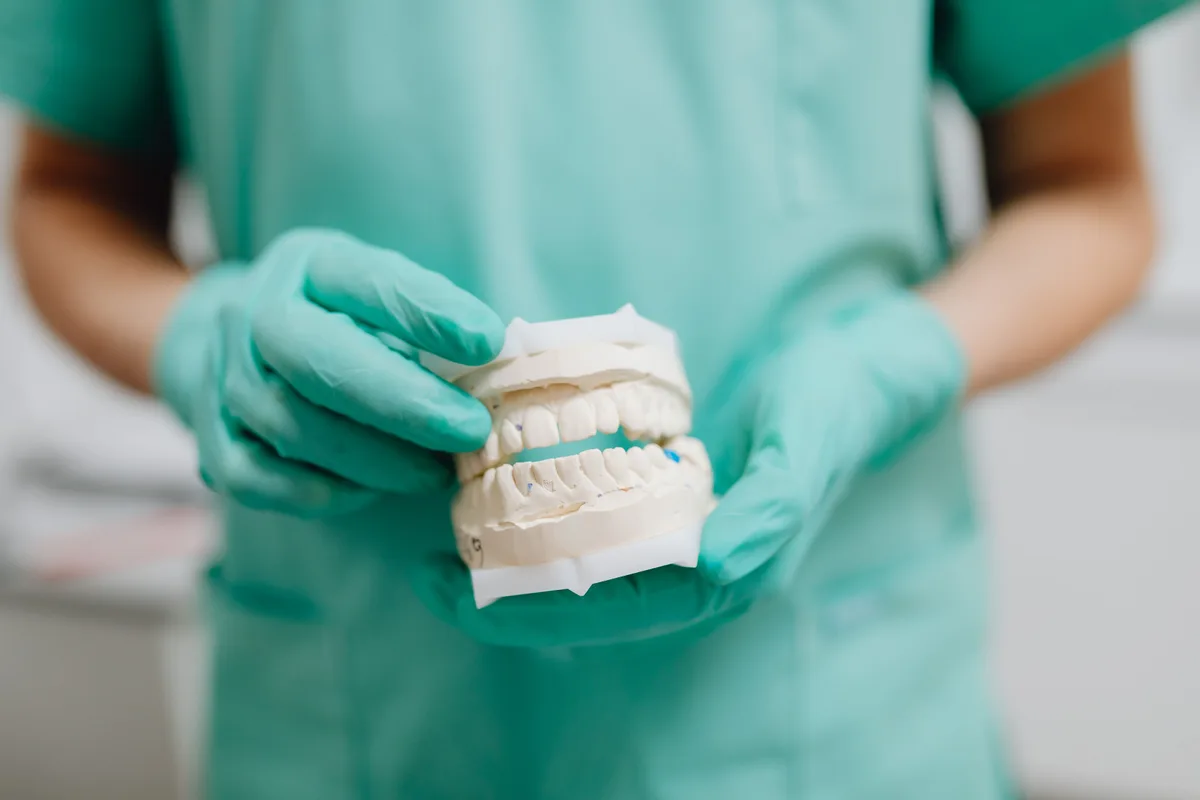
After losing several teeth, the easier option depends on what you mean by “easy”: fewer procedures, a shorter timeline, simpler daily care, or a fit that feels comfortable. Traditional dentures and dental implants work differently, and neither is right for everyone. This guide can help you prepare questions for a dental assessment.
NorthPointe Dental Clinic offers full and partial dentures. Learn more about dentures in Country Hills, and ask your dentist which options are available for your situation.
What does “easier” mean for you?
Consider what matters most: avoiding surgery, how long treatment may take, cost, cleaning, comfort, or whether a removable option suits your routine. Your health, the number and position of missing teeth, gum condition, and remaining bone also affect the discussion.
What are dentures?
Full dentures replace all teeth in an upper or lower arch. Partial dentures replace some missing teeth when other natural teeth remain. They are removable and need daily cleaning. Fit and comfort can change as the mouth changes, so follow-up and adjustments may be needed.
The NorthPointe team can explain its full and partial denture services, what the process involves, and whether an appliance may suit your needs.
What are dental implants?
A dental implant is a post placed in the jawbone to support a replacement tooth or another restoration. Implant treatment involves a procedure and healing, and suitability depends on an individual assessment. The number of appointments and overall timeline vary.
Do not assume an implant-supported denture is offered at every clinic. Ask which implant services are available and whether a referral or specialist consultation is needed.
Dentures vs dental implants: what should you compare?
- Procedures: Conventional removable dentures do not require implant placement. Implants involve a surgical procedure.
- Time: Denture preparation and adjustment timelines vary. Implant care includes healing and may take longer overall.
- Daily care: Dentures are removed and cleaned as directed. Fixed implant restorations need careful brushing and cleaning around them.
- Fit: Dentures can need adjustment as the mouth changes. Implant restorations are fixed, but require ongoing professional and home care.
- Cost: Fees depend on the treatment plan and coverage. Ask for a written estimate and what follow-up care may cost.
These are general differences, not a recommendation for your particular case. Your dentist can explain benefits, limits, risks, and alternatives after examining your mouth.
What might make dentures a practical choice?
Some people prefer a removable option or want to avoid implant surgery. Dentures may be considered when replacing several teeth, but the fit, stability, and expected adjustments depend on the person. There can be an adaptation period for speaking and eating.
When might implants be considered?
Implants may be discussed when a person wants a fixed restoration and is suitable for the procedure. Health history, gum health, bone, smoking, and other factors can affect planning and healing. A qualified dental professional can explain whether implants are appropriate and what other options exist.
What should you ask at a consultation?
At a dental clinic in Country Hills, bring your questions and share your priorities. You can ask which options are offered, how many visits may be involved, what care is required at home, what adjustments to expect, and what the total fees include. You do not need to decide before you understand the choices.
NorthPointe Dental Clinic can discuss its full and partial denture services and help you understand the next step. If you are weighing several options, ask for a plan that reflects your oral health and preferences.
Frequently asked questions
Can dentures be fitted on the same day teeth are removed?
Some practices offer immediate dentures in appropriate cases, but availability and suitability vary. Ask your dentist whether this is an option and what adjustments may be needed as healing progresses.
Will dentures affect how I speak?
They may feel unfamiliar at first, and some people need time to adjust. Your dental team can advise you if the fit causes ongoing difficulty.
Do dentures need to be adjusted or replaced?
They may need maintenance or replacement over time as the appliance wears and the mouth changes. Keep follow-up visits recommended by your dentist.
Can I eat normally with dentures?
Eating comfort varies. Some people need practice and may prefer softer foods while adjusting. Follow your dentist’s advice and ask about persistent soreness or looseness.