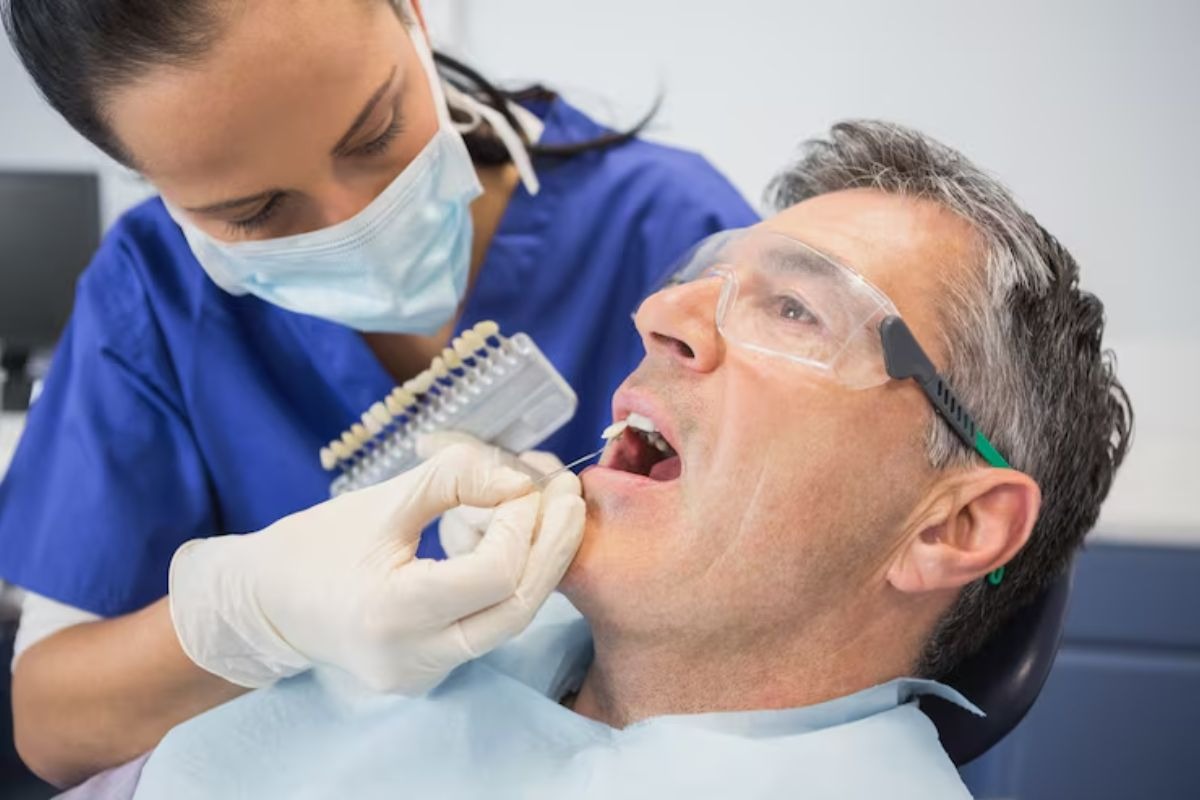
Have you lost a tooth or noticed severe damage to one of your teeth? You might be wondering if a dental crown can replace it. Visiting a dentist in Country Hills is the best way to find the right solution to restore your smile, improve chewing, and keep your mouth healthy. While dental crowns are strong and versatile, their ability to replace a missing tooth depends on the type of treatment plan and supporting structures in place.
What are Dental Crowns?
Dental crowns are custom-made caps designed to cover and protect a tooth. They restore the tooth’s shape, size, and strength while improving appearance. Crowns can be made from:
- Porcelain or ceramic: Matches the natural colour of teeth and looks very natural.
- Metal: Very durable, ideal for back teeth where chewing forces are higher.
- Porcelain-fused-to-metal (PFM): Combines strength and aesthetics for functional and cosmetic purposes.
If you are searching for dental crowns, a dentist can recommend the most suitable material based on your smile goals, bite, and oral health.
Can Crowns Alone Replace Missing Teeth?
Many people ask if a crown can replace a missing tooth. The answer is no. Crowns are meant to fix and protect the teeth you still have. To replace a tooth that is gone, crowns need extra help:
- Dental Bridges: Crowns are put on the teeth next to the space to hold a bridge that fills the gap.
- Dental Implants: A crown can be placed on an implant, which acts like a fake tooth root.
- Partial Dentures: Crowns may be used as part of a removable prosthetic to replace missing teeth.
Explore Our Dental Office can assess your mouth and recommend the treatment that best restores function, appearance, and long-term oral health.
Benefits of Using Crowns with Implants or Bridges
When combined with other restorative treatments, dental crowns offer numerous advantages:
- Restores Chewing and Speaking: Helps you eat comfortably and speak clearly.
- Protects Surrounding Teeth: Prevents adjacent teeth from shifting into gaps.
- Natural Appearance: Crowns replicate the shape and colour of your natural teeth.
- Long-Lasting: Implant-supported crowns and bridge-supported crowns can last many years with proper care.
Visiting a patient-focused dentistry ensures a personalized plan that meets both functional and cosmetic needs.
How the Procedure Works
- Consultation and Planning: X-rays and examinations help your dentist evaluate the gap and plan treatment.
- Preparation: If you’re getting a bridge, the nearby teeth might be shaped to hold it. For implants, a small post is placed into the jawbone during surgery.
- Temporary Crowns: These cover and protect your tooth while the permanent crown is being made.
- Permanent Crown Placement: The final crown is fitted and securely bonded to the tooth, implant, or bridge.
Treatment time varies. Bridges and temporary crowns can be completed in a few weeks, while implant-supported crowns may take several months due to healing and osseointegration.
Maintaining Your Crowns
To make sure your crowns last a long time, follow these simple steps:
- Brush and floss every day to keep your crown and surrounding teeth clean.
- Avoid biting very hard things that could break your crown.
- Visit the dentist regularly for cleaning and check-ups.
- Wear a night guard if you grind your teeth to protect your crowns.
A dentist near you can give advice on taking care of your crowns and check your teeth during routine visits.
Reclaim Function and Beauty in Your Smile!
Get a strong, natural-looking smile with help from NorthPointe Dental Clinic. A caring team keeps your teeth healthy and your smile confident. We offer treatments like crowns, bridges, and implant-supported restorations made just for you. Book your appointment today and start your journey to a healthy, complete smile.
FAQs:
Will a dental crown on its own replace a missing tooth?
No. Only a dental crown can replace your missing tooth at all. A gap needs to be supported by a dental bridge, an implant, or a partial denture to function well.
How long do crown-supported bridges last?
If you take care of your teeth by brushing, flossing, and visiting the dentist regularly, crown-supported bridges can last 10 to 15 years or even longer. Good care keeps the supporting teeth healthy and prevents damage.
Are implant-supported crowns permanent?
Yes. When maintained with regular dental care, implant-supported crowns can last 20 years or more. They are a durable, long-term solution for replacing missing teeth and restoring both function and appearance.
Is the crown procedure painful?
Most patients experience very little discomfort during the procedure. Local anesthesia keeps the area numb, and any mild sensitivity afterward typically goes away within a few days.