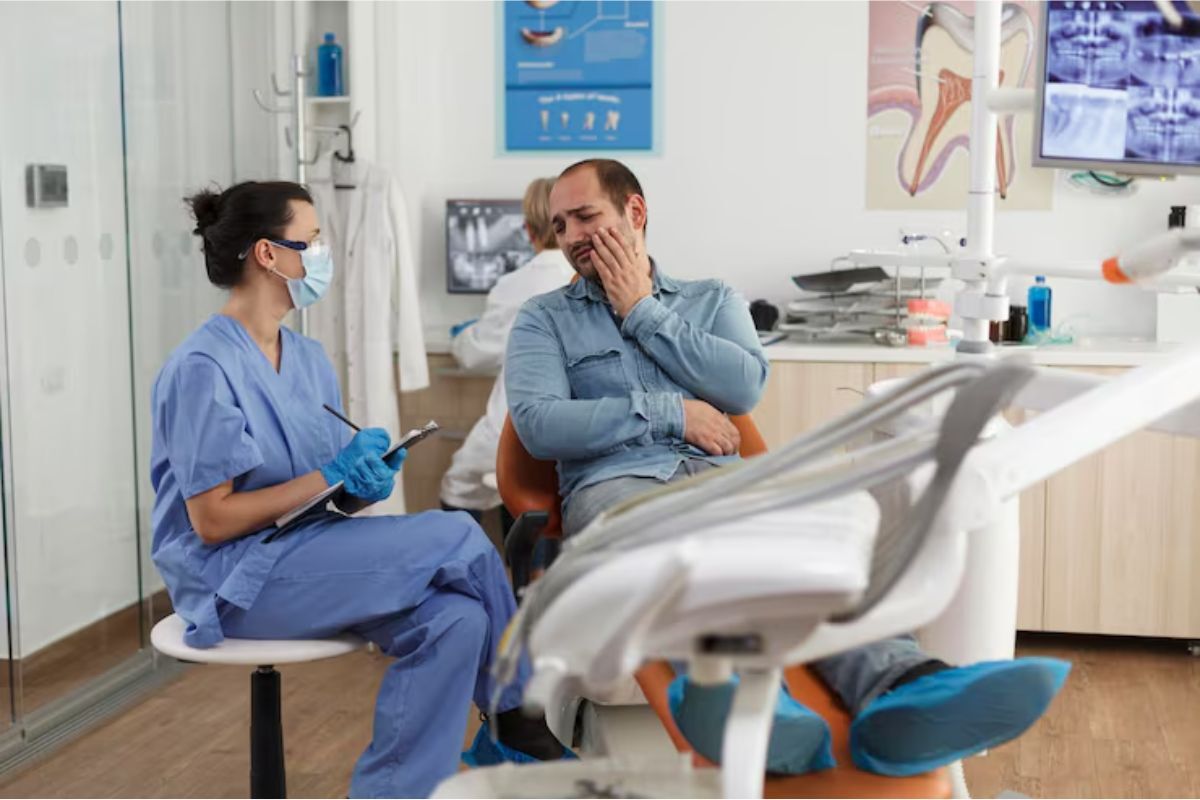
Tooth pain often strikes at the most inconvenient times, like in the middle of the night or during a busy weekend. Knowing how to respond to these sudden issues is essential for your health. Many patients often ask, “When should you seek emergency dental care? Generally, it comes down to the intensity of your pain and the danger of losing a tooth. If you have a tooth knocked out, heavy bleeding, or major swelling, you must visit a professional right away to protect your smile and prevent long-term damage.
Identifying a Dental Crisis
Not all dental issues warrant an urgent visit to the clinic. Nonetheless, knowing what a dental emergency is and how to handle one can help ease your worries. An emergency is often thought of as something involving major uncontrolled bleeding and trauma to the facial bones. Or, an infection that could block your airway.
If you have a minor chipped tooth that does not hurt, you can usually wait a day or two. But if a permanent tooth is knocked out, time is your enemy. You should place the tooth back in the socket or keep it moist in a container of milk while rushing to find our dental office.
Common Urgent Situations and Immediate Steps
When an accident happens, staying calm is the first step. Here is a quick guide on how to manage common issues before you reach your quality dental services:
- Knocked-Out Tooth: Pick it up by the crown (the top part), not the root. Rinse it gently with water.
- Severe Toothache: Rinse your mouth with warm salt water. Use floss to ensure no food is trapped between the teeth.
- Lost Filling or Crown: Use a small piece of sugar-free gum or over-the-counter dental cement to cover the exposed area temporarily.
- Abscess or Swelling: This is often a sign of infection. Apply a cold compress to the outside of your cheek to reduce swelling.
Quick Action Chart for Dental Emergencies
| Situation | Immediate Action | Priority Level |
| Knocked-out permanent tooth | Place in milk; see dentist within 30 minutes | High / Critical |
| Cracked or fractured tooth | Rinse with warm water; apply cold compress | Medium |
| Severe soft tissue cut | Apply pressure with clean gauze | High |
| Loose bracket or wire | Cover sharp end with orthodontic wax | Low |
Why Timing Matters for Your Oral Health
Waiting too long to address a problem can turn a simple fix into a complex surgery. An untreated infection, for example, can spread to other parts of your body. Choosing an experienced emergency dentistry ensures that you get the right treatment quickly.
When you act fast, you increase the chances of saving your natural teeth and avoiding more expensive restorative work later. Professional care focuses on stopping the pain and protecting your long-term health.
Professional Care and Recovery
Once you arrive at the clinic, the dental team will likely take X-rays to see what is happening beneath the gums. They will focus on pain management first. After the immediate problem is solved, they will provide a plan to ensure your tooth stays healthy. Always follow the aftercare instructions, such as eating soft foods or using prescribed rinses, to ensure a smooth recovery.
Conclusion
Facing a dental crisis is scary, but you do not have to handle it alone. Having a reliable team ready to help makes all the difference in protecting your oral health. At NorthPointe Dental Clinic, we prioritize your comfort and safety during any urgent situation. If you are experiencing pain or have had an accident, please reach out to us right away to book an appointment.
Frequently Asked Questions:
What should I do if my tooth is knocked out?
Rinse the tooth gently, keep it moist in milk or saliva, and see a dentist immediately to save it.
How do I manage a severe toothache at home?
Rinse with warm salt water, use floss to clear debris, and apply a cold compress until your dental visit.
Is a cracked tooth always a dental emergency?
It is an emergency if the crack is deep, causes severe pain, or results in sharp edges that cut lips.
Can an abscessed tooth wait until Monday?
No, an abscess is a serious infection that can spread. You should seek professional dental help as soon as possible.
What if I lose a dental filling?
Protect the area with dental wax or sugar-free gum, and see a professional promptly to prevent decay or further sensitivity.